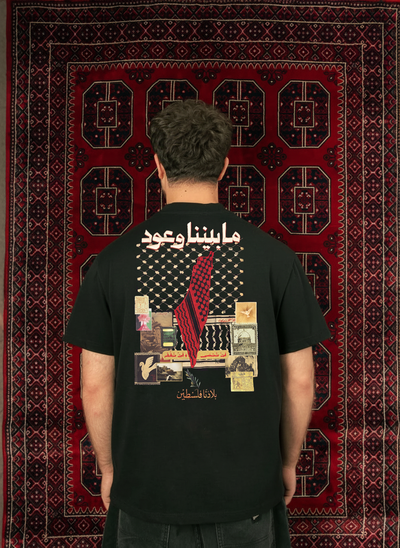
Some symbols are chosen. Others just grow. The olive tree was never elected to represent Palestine. No one held a vote. No committee decided it would carry a people's memory. It simply grew — in the same soil, across the same hills, through the same centuries — and by the time anyone thought to call it a symbol, it had already been one for longer than anyone could trace.
That's what makes it different from most national emblems. The olive tree doesn't represent Palestinian identity the way a flag does — from the outside, pointing inward. It represents it from the inside out. It's in the food. The soap. The harvest. The economy. The landscape. The childhood. The goodbye. It's not an idea about Palestine. It is Palestine, in one of its most physical, most ancient forms.
It Doesn't Dazzle. It Endures.
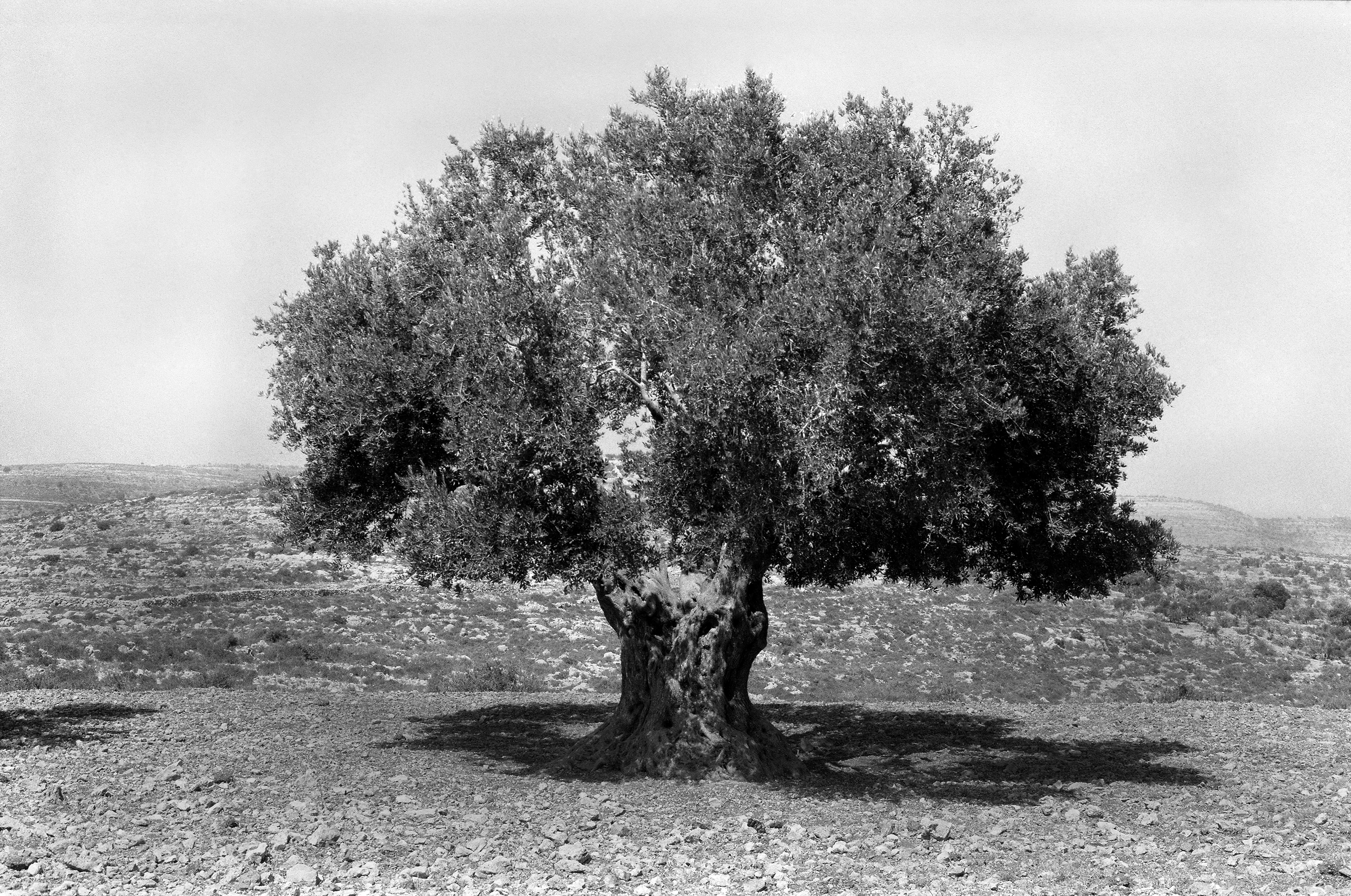
The olive tree is not a dramatic plant. It doesn't bloom spectacularly. It doesn't tower. It doesn't demand attention. What it does is survive. It grows in poor soil, in heat, in drought, in neglect — and it keeps producing. Slowly. Quietly. For centuries. A single olive tree can live a thousand years. Let that sit for a second. A thousand years of root in the same ground.
That stubbornness is the point. The olive tree's beauty isn't delicate. It's weathered. The kind of beauty that gets shaped by time rather than protected from it. Gnarled trunks. Silver-green leaves that don't change with the season. Fruit that requires patience — you don't get oil from olives in a hurry. Everything about it says: slow down. Stay. This takes as long as it takes.
For a people whose relationship with their land has been interrupted, occupied, and contested for decades — that endurance hits different. The olive tree doesn't just sit in the landscape. It argues for permanence.
Harvest as Homecoming
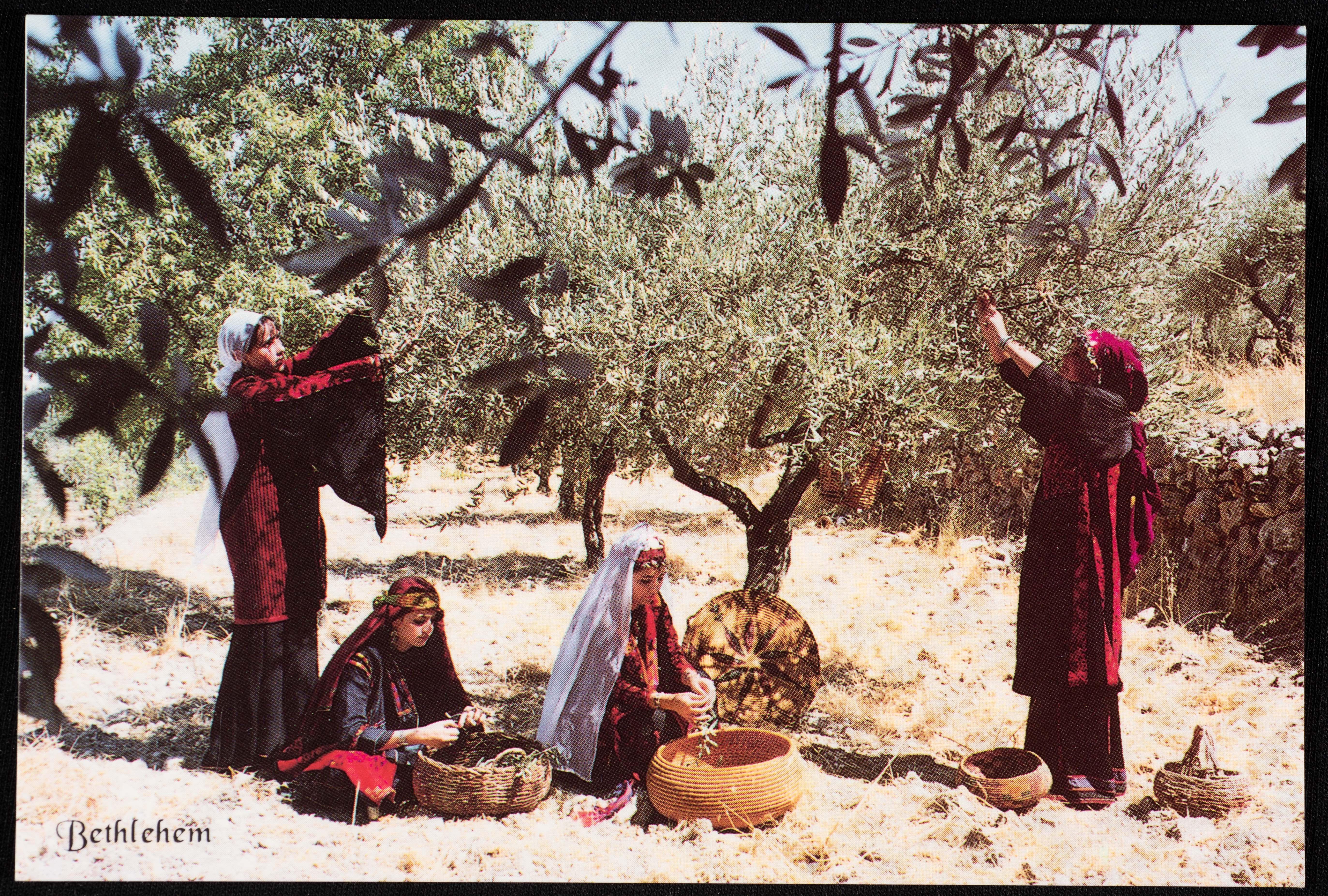
Every October and November, Palestinian families gather for the olive harvest. And to call it a harvest undersells what it actually is. It's a reunion. A ritual. A return to something that feels older than the people doing it. Families spread tarps under the trees, climb into the branches, shake and comb and pick until their hands are raw. Children run between the groves. The oil press runs for days. The whole season has a rhythm — ancient, physical, collective — that nothing else quite replicates.
That rhythm matters. Because rituals don't just mark time. They build identity. When the same act is repeated across enough generations, it stops being a task and becomes a form of belonging. The olive harvest is one of those acts. It ties Palestinians to specific trees, specific plots of land, specific memories of who was there last year and who wasn't. It's not abstract heritage. It's soil under the fingernails. Oil on the hands. The weight of a full bucket.
What Happens When the Tree Becomes the Target
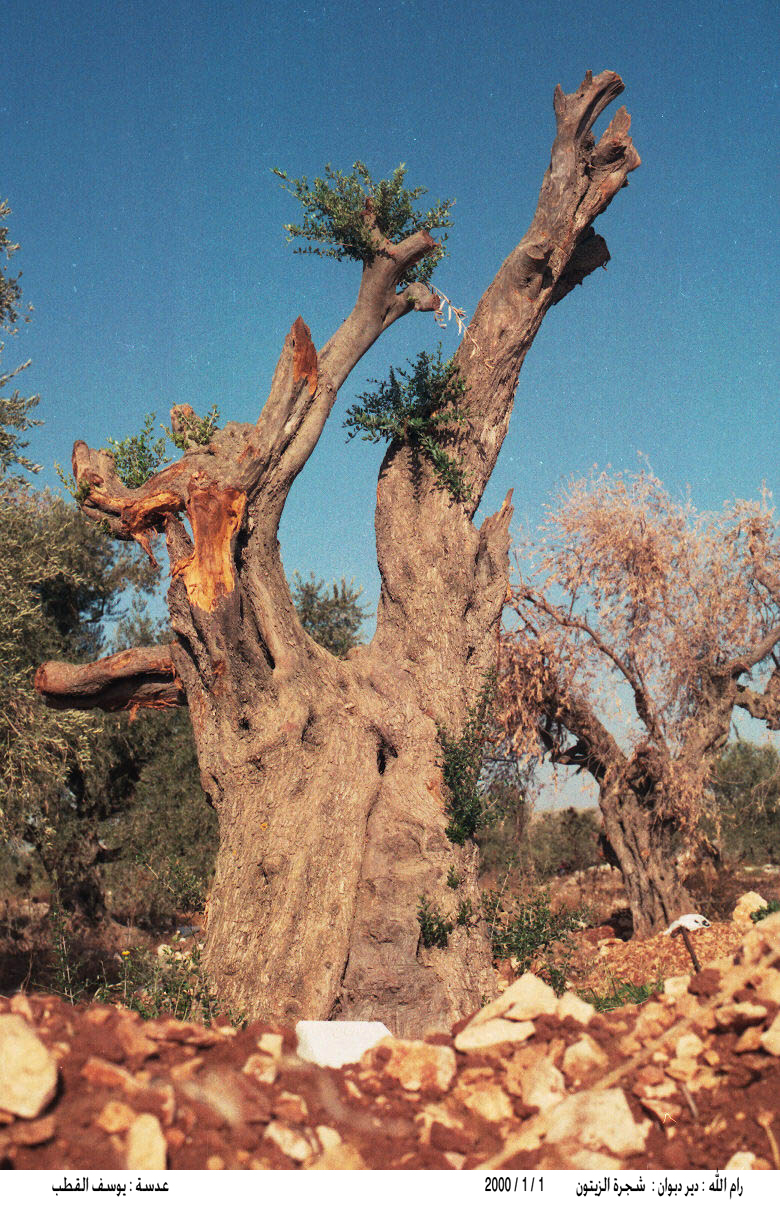
Here's where it gets heavy. Olive trees in Palestine are not just loved. They're contested. Hundreds of thousands of Palestinian olive trees have been uprooted, burned, or cut down over decades of conflict. That's not incidental. When a tree that takes decades to mature is destroyed, something more than agriculture is lost. A timeline is severed. A family's inheritance — sometimes stretching back generations — is pulled out of the ground.
And Palestinians know this. The pain of a destroyed olive tree is not the pain of losing a crop. It's the pain of watching continuity get cut. That's why replanting is an act of resistance as much as agriculture. Every new olive tree planted says the same thing the old ones said: we're not leaving. We're still growing here.
That defiance is quiet. It doesn't shout. It just roots.
◆ ◆ ◆
In the Diaspora, It Becomes the Shape of Longing
For Palestinians living far from Palestine — and there are millions — the olive tree takes on a different weight. It stops being something in the yard and becomes something in the chest. The tree you grew up next to. The oil your grandmother pressed. The grove you haven't seen in years, or have never seen at all but heard described so many times it feels like memory anyway.
That's the thing about displacement. It doesn't erase attachment. It concentrates it. Everything that was once ordinary becomes precious. And the olive tree — because it's so tied to land, to rootedness, to staying — becomes one of the most emotionally loaded images in the Palestinian imagination. It holds not just the reality of home, but the ache of it. The branches and leaves and fruit get charged with longing until the tree itself becomes one of the shapes homesickness takes.
Longer Than a Lifetime
There's something else the olive tree teaches — something that goes against every instinct of modern life. It asks for care today and gives itself fully over decades. It's planted with the knowledge that its best years might belong to someone not yet born. That's a radical idea in a world obsessed with quarterly returns and instant results. The olive tree doesn't operate on anyone's timeline. It operates on its own.
In Palestinian culture, that long view isn't theoretical. It's practiced. An olive grove isn't owned the way a stock portfolio is owned. It's inherited. Tended. Passed forward. The relationship between a family and its trees can stretch across five, six, seven generations. The tree becomes a living record of stewardship — proof that love of land isn't about possession. It's about what gets carried forward.
Why It Keeps Appearing in Everything
The olive tree shows up everywhere in Palestinian culture. In embroidery. In poetry. In political art. On walls, on fabric, on jewelry, on skin. And not because someone decided it should be the official motif. It keeps showing up because it keeps meaning something. It's one of those rare symbols that doesn't wear out — because it isn't hollow. It's filled with lived experience. Every Palestinian who sees an olive branch carries a slightly different version of what it means, but the core is the same: home. endurance. love of land. refusal to disappear.
That emotional density is what separates it from a generic peace symbol or a decorative leaf pattern. The olive tree in Palestinian hands is not ornament. It's testimony.
Wearing It
To wear the olive tree is not to wear a motif from nature. It's to carry a memory. To let something rooted in land and history move with the body. To make visible a bond that millions of people spend their lives trying to keep intact — across time, across distance, across everything designed to sever it.
It's gentle and heavy at the same time. That's what makes it right.
◆ ◆ ◆
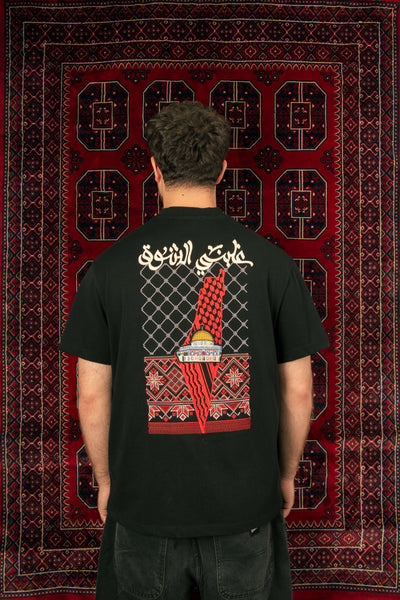
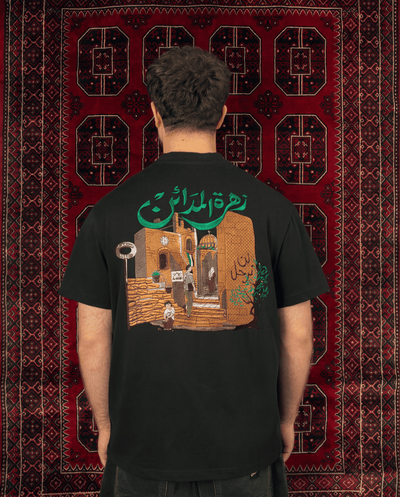
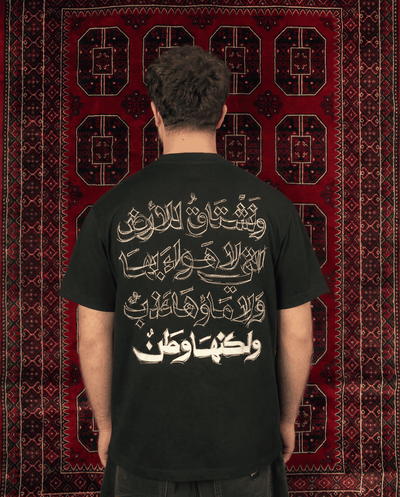
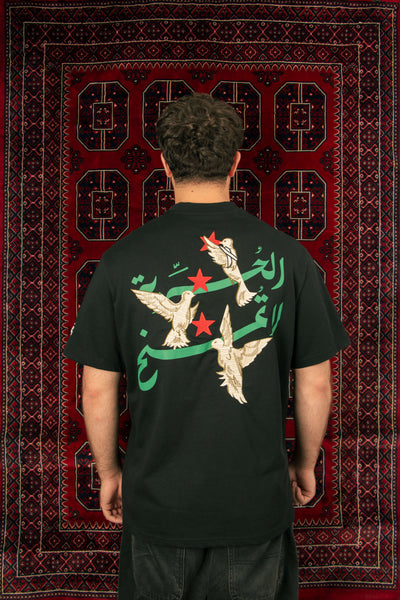
That's what Shawq carries.
Not the olive tree as decoration. Not the branch as pattern filler. But the real thing — the emotional weight, the rootedness, the quiet defiance of something that grows slowly and refuses to stop. Every piece that carries the olive at Shawq holds that inheritance. The patience. The endurance. The insistence that this connection to land is alive and worth wearing close to the body.
The olive tree doesn't just symbolize Palestinian memory. It's one of the ways memory stays alive. Shawq exists to keep it moving.